Tips & Tricks for the First-Time Camper: Your Complete Beginner’s Guide

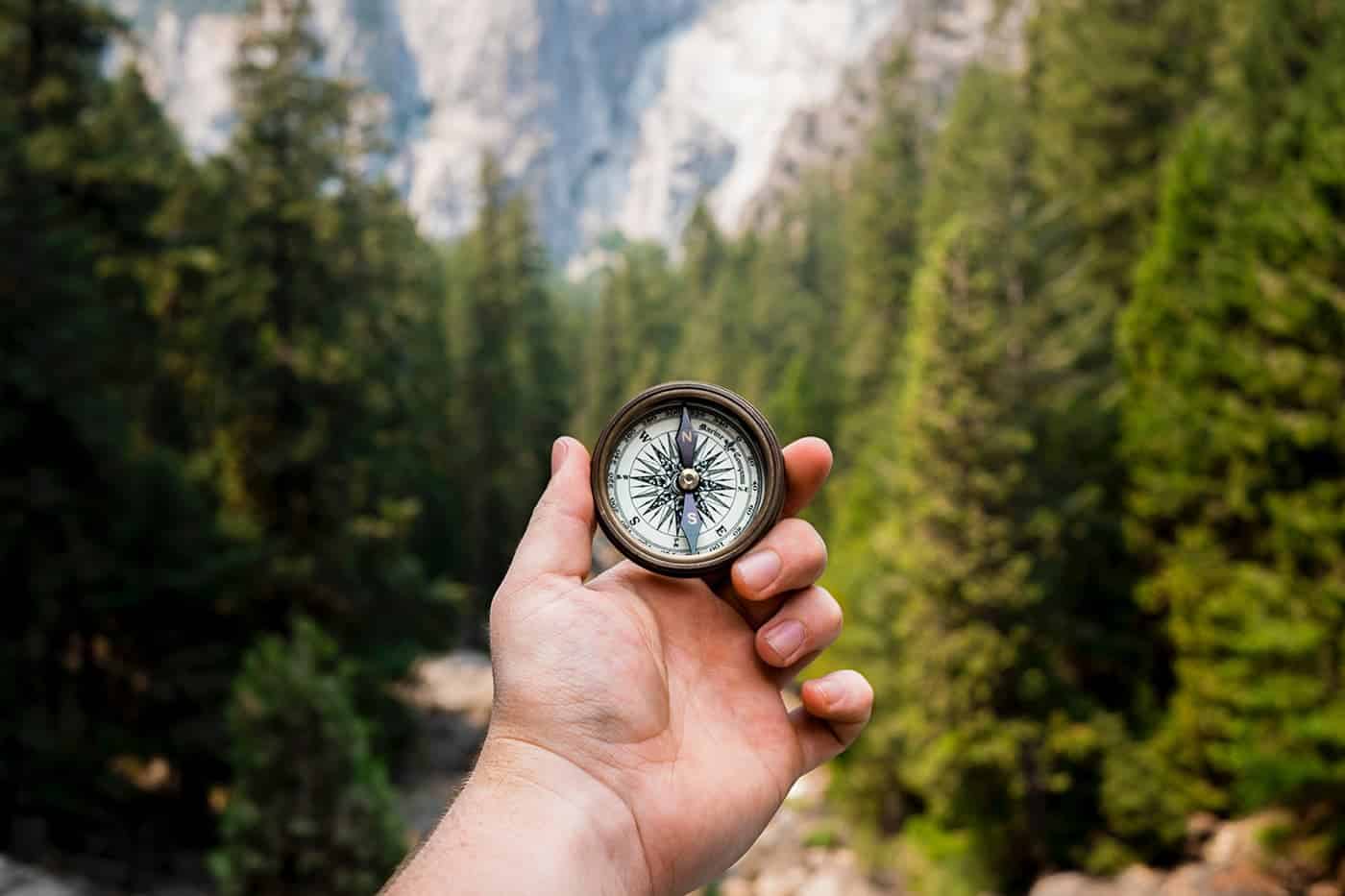
Camping is one of the best ways to escape the hustle and bustle of everyday life and immerse yourself in the great outdoors. The crackling campfire, the starry skies, the smell of pine trees, and the sense of adventure — there’s nothing quite like it.
But if it’s your first time camping, it can feel overwhelming. What gear do you need? How do you cook outdoors? What if it rains? Don’t worry — with a bit of planning and the right guidance, your first camping trip can be a fun, safe, and unforgettable experience.
This comprehensive guide for first-time campers will walk you through everything you need to know — from choosing a campsite to packing smartly, setting up your tent, and mastering basic camping skills. By the end, you’ll feel prepared and excited to start your camping journey.
1. Plan Your Trip in Advance
The most successful camping trips start long before you hit the road.
a) Choose the Right Campsite
For first-timers, it’s best to start with a developed campground rather than a remote backcountry site.
- Look for campgrounds with bathrooms, water sources, and picnic tables.
- Use websites like Recreation.gov, Hipcamp, or your country’s official parks website to find options.
- Read reviews to see if the area is beginner-friendly.
b) Decide the Type of Camping
- Tent Camping: Most affordable and beginner-friendly.
- Car Camping: Drive up to your site — perfect for beginners with lots of gear.
- RV or Campervan Camping: Comfortable but requires extra planning for parking and hookups.
c) Check the Weather and Season
Always look at the forecast for rain, heat, or cold snaps. Pack accordingly and plan your trip for spring, summer, or early fall if you want mild conditions.
2. Make a Packing Checklist
One of the biggest beginner mistakes is overpacking or forgetting essentials.
a) The Camping Basics
- Tent, stakes, and mallet
- Sleeping bag and sleeping pad
- Camping stove or portable grill
- Cooking utensils, plates, and cups
- Cooler with ice packs
- Water bottles and/or a water filter
- Headlamp or flashlight with extra batteries
b) Clothing Essentials
- Layers for varying temperatures
- Comfortable hiking shoes or boots
- Rain gear just in case
- Hat and sunglasses for sun protection
c) Other Must-Haves
- First aid kit
- Map and compass (or offline maps on your phone)
- Insect repellent and sunscreen
- Camp chairs for relaxing
3. Practice Setting Up at Home
Before your trip, practice pitching your tent in your backyard or living room. This way, you won’t be struggling with instructions after dark at the campsite.
- Learn how to use the tent rainfly for wet weather.
- Check for missing parts like poles or stakes beforehand.
- Try out your sleeping bag and pad for comfort.
4. Plan Simple Meals
Cooking outdoors can be fun, but keep it simple for your first trip.
a) Easy Camping Breakfast Ideas
- Instant oatmeal with nuts or dried fruits
- Breakfast burritos prepped at home
- Yogurt with granola
b) Quick Lunches
- Sandwiches or wraps
- Salads in jars
- Fresh fruits and trail mix
c) Dinner Favorites
- Hot dogs or veggie skewers over the fire
- One-pot pasta meals
- Pre-marinated grilled meats or tofu
Don’t forget plenty of snacks like granola bars, chips, or popcorn for campfire evenings.
5. Master Campfire Safety
A campfire is the heart of any camping trip, but safety comes first:
- Use designated fire rings if available.
- Keep water and a shovel nearby in case you need to put it out quickly.
- Never leave a fire unattended.
- Extinguish completely before bedtime — stir water into the ashes until they’re cold.
If fires aren’t allowed, bring a portable propane stove for cooking.
6. Learn Basic Campsite Etiquette
Camping etiquette ensures everyone enjoys the outdoors:
- Keep noise levels down, especially during quiet hours.
- Don’t walk through other campers’ sites.
- Pack out all your trash — Leave No Trace principles are key.
- Keep pets leashed and clean up after them.
7. Stay Safe Outdoors
Safety should always be a priority:
- Store food securely to avoid attracting wildlife.
- Bring a basic first aid kit with bandages, antiseptic, and pain relievers.
- Know the location of the nearest hospital or ranger station.
- Carry a whistle or small emergency beacon if hiking away from camp.
8. Entertainment & Relaxation
Camping isn’t all chores — plan fun activities:
- Bring a deck of cards or travel board games.
- Try stargazing apps to identify constellations.
- Pack a journal or sketchbook for quiet moments.
- Enjoy swimming, fishing, or hiking if available.
9. Budget-Friendly Camping Tips
Camping doesn’t have to be expensive, even for first-timers:
- Borrow gear from friends or rent before buying your own.
- Choose state parks or community campsites for lower fees.
- Cook your own meals instead of buying pre-packaged camping food.
- Split costs with friends or family members if camping as a group.
10. What to Do if It Rains
Rain is common when camping, so be prepared:
- Bring a tarp to create a dry cooking area.
- Pack extra dry clothes in waterproof bags.
- Play cards, read, or nap inside your tent — sometimes rainy days turn into the coziest camping memories.
11. Leave No Trace Principles
As a beginner, it’s important to protect the environment:
- Plan ahead and prepare.
- Travel and camp on durable surfaces.
- Dispose of waste properly.
- Leave what you find.
- Minimize campfire impacts.
- Respect wildlife.
- Be considerate of other visitors.
12. Common Beginner Mistakes to Avoid
- Arriving at the campsite after dark
- Forgetting bug spray or sunscreen
- Not testing gear beforehand
- Overpacking too many clothes or heavy items
- Leaving food out overnight
13. Quick Camping Hacks for Beginners
- Freeze water bottles to use as ice packs in your cooler — as they melt, you have cold drinking water.
- Use a headlamp strapped to a water jug for a makeshift lantern.
- Pre-pack meals in zip-lock bags to save time and space.
- Bring a small broom or brush to keep your tent floor clean.
14. First-Time Camping Checklist
Here’s a simple checklist to make packing easier:
- Tent, sleeping bag, sleeping pad
- Food, stove, cookware, utensils
- Clothing layers, rain gear, hiking shoes
- Headlamp, batteries, matches/lighter
- First aid kit, map, compass, phone charger
- Trash bags, toiletries, insect repellent
- Camp chairs, tarp, cooler
Print this out or keep it on your phone for reference.
Conclusion
Your first camping trip doesn’t have to be stressful or expensive. With planning, preparation, and a little confidence, you’ll be ready to enjoy everything camping has to offer — from peaceful mornings in nature to evenings under the stars.
Remember, camping is about disconnecting from daily routines, reconnecting with nature, and making lasting memories. Start small, stay flexible, and embrace the adventure. Soon, you’ll go from first-time camper to seasoned outdoor enthusiast, ready for bigger challenges and even more exciting trips.
So pack your bags, grab your checklist, and get ready — the great outdoors is waiting for you.